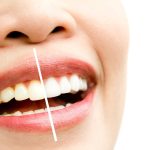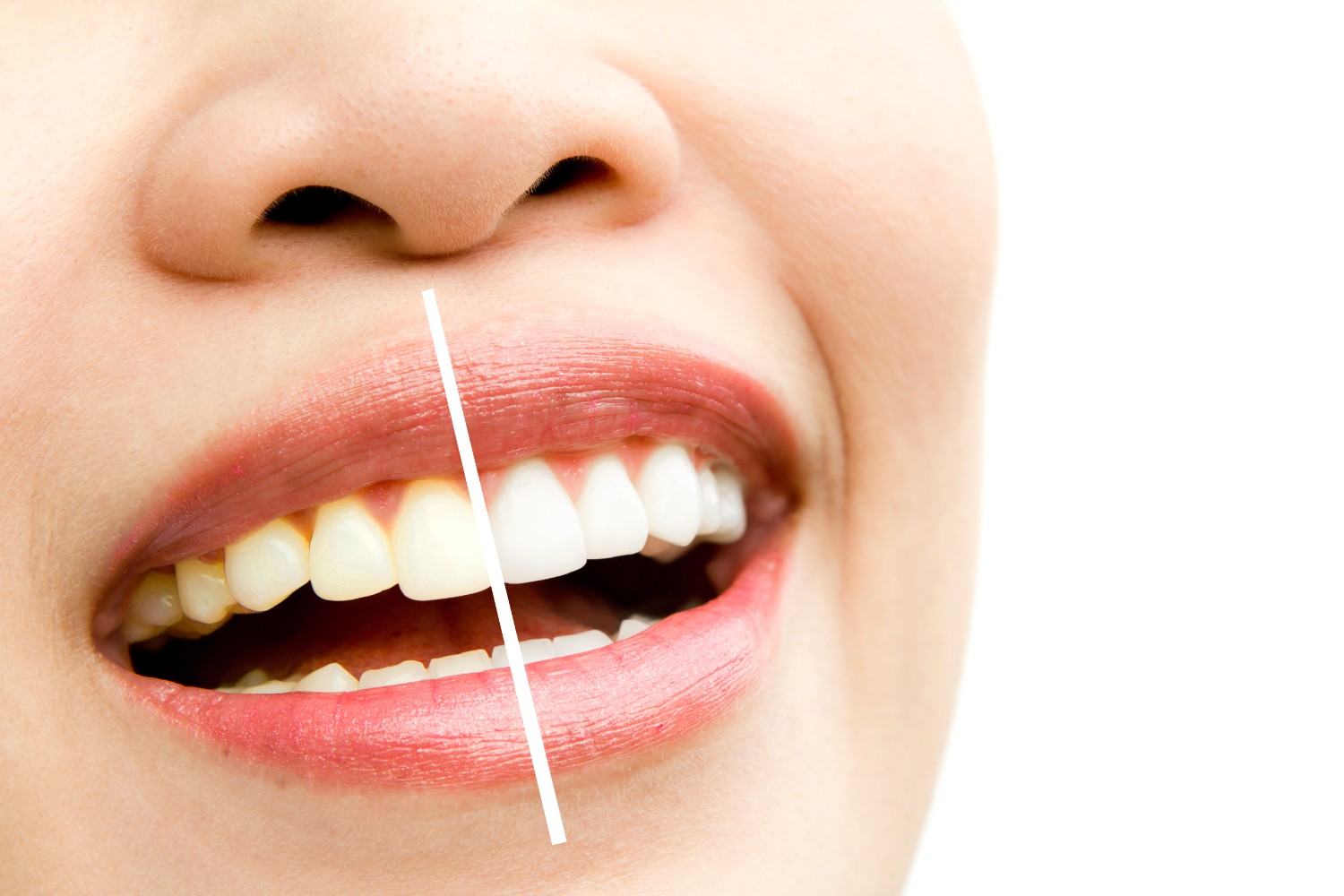
Teeth can become stained for many reasons, including foods, drinks, tobacco, poor brushing, age, and some medicines. Some stains develop on the outside of the teeth, while others form deeper inside the tooth. Understanding what causes tooth stains can help you make better choices for your smile. Teeth whitening in Winnipeg may help improve the appearance of certain types of stains, but preventing new stains starts with daily oral care. Not every dark or yellow tooth can be treated in the same way, so knowing the cause is important.
Simple habits, regular dental care, and careful food and drink choices can all help keep your teeth looking cleaner and brighter.
What Causes Teeth to Stain?
Tooth stains usually develop from what you eat and drink or from changes inside the tooth. Some stains are easy to remove with professional cleaning, while others may need whitening or another treatment.
Common causes include:
- Coffee and tea: Dark drinks can leave color on the tooth surface over time.
- Red wine and cola: These drinks may also contribute to visible staining.
- Tobacco: Smoking and other tobacco products can cause yellow or brown stains.
- Poor oral hygiene: Plaque can collect on teeth and make them look dull or darker.
- Age: The outer layer of a tooth can become thinner with age, making the naturally yellow inner layer more visible.
- Certain medicines: Some medications can cause tooth color changes, especially when teeth develop during childhood.
Can Food and Drinks Make Teeth Look Darker?
Yes. Foods and drinks with strong colors can gradually stain the teeth, especially when consumed often. Coffee, tea, berries, tomato-based sauces, and dark soft drinks are common examples.
You do not necessarily need to avoid these foods completely. Rinsing your mouth with water after eating or drinking them can help reduce the amount of color left on your teeth.
How Can You Prevent Tooth Stains?
Daily care can help keep your smile bright and remove plaque.
Try to:
- Brush your teeth twice a day with fluoride toothpaste.
- Clean between your teeth every day.
- Drink water after dark-colored foods and drinks.
- Limit frequent sipping of coffee, tea, and soft drinks.
- Avoid tobacco products.
- Keep up with regular dental cleanings and exams.
These steps may not prevent every type of stain, but they can help reduce surface discoloration and support good oral health.
When Can Teeth Whitening Help?
Whitening may help with stains caused by foods, drinks, tobacco, and normal ageing. However, whitening does not work equally well on every type of tooth discoloration.
For example, crowns, fillings, veneers, and some deeper stains may not respond to whitening in the same way as natural teeth. An assessment can help determine what is causing the color change and whether whitening is suitable. Teeth whitening near you can be considered when the main concern is the color of natural teeth, and your mouth is healthy enough for treatment.
How Can a Dentist Help With Stained Teeth?
A dental assessment can help identify whether the color change is caused by surface stains, plaque buildup, ageing, or another dental concern. Professional cleaning may be enough when stains are mainly on the surface.
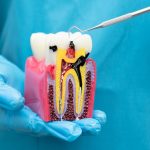
If whitening is suitable, treatment can be planned around the current shade of your teeth and your oral health. A dentist in Winnipeg can also check for cavities, damaged teeth, or other issues that may need attention before cosmetic treatment.
Keep Your Smile Looking Bright!
Tooth staining is common, but your daily habits can help slow down new discoloration. Understanding the cause of a stain also makes it easier to choose the right treatment instead of relying on a one-size-fits-all solution.
Book an appointment with Grand Smiles to have your teeth assessed and learn whether professional whitening or another treatment may be suitable for your smile.
FAQs
Why do my teeth look yellow even when I brush them?
Some yellowing is natural because the inner part of the tooth is naturally more yellow than the outer enamel. Age can also make this color more noticeable.
Can brushing remove all tooth stains?
Brushing helps remove plaque and some surface stains, but it cannot remove every type of discoloration. Deeper stains may need professional treatment.
Does coffee permanently stain teeth?
Coffee can stain your teeth over time, but the amount of staining can vary. Rinsing your mouth with water and keeping your teeth clean can help reduce stains.
Can whitening remove stains from fillings or crowns?
Whitening products work on natural teeth and do not usually change the color of fillings, crowns, or veneers. These restorations may need another solution if their color no longer matches.