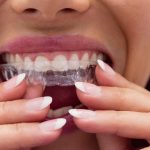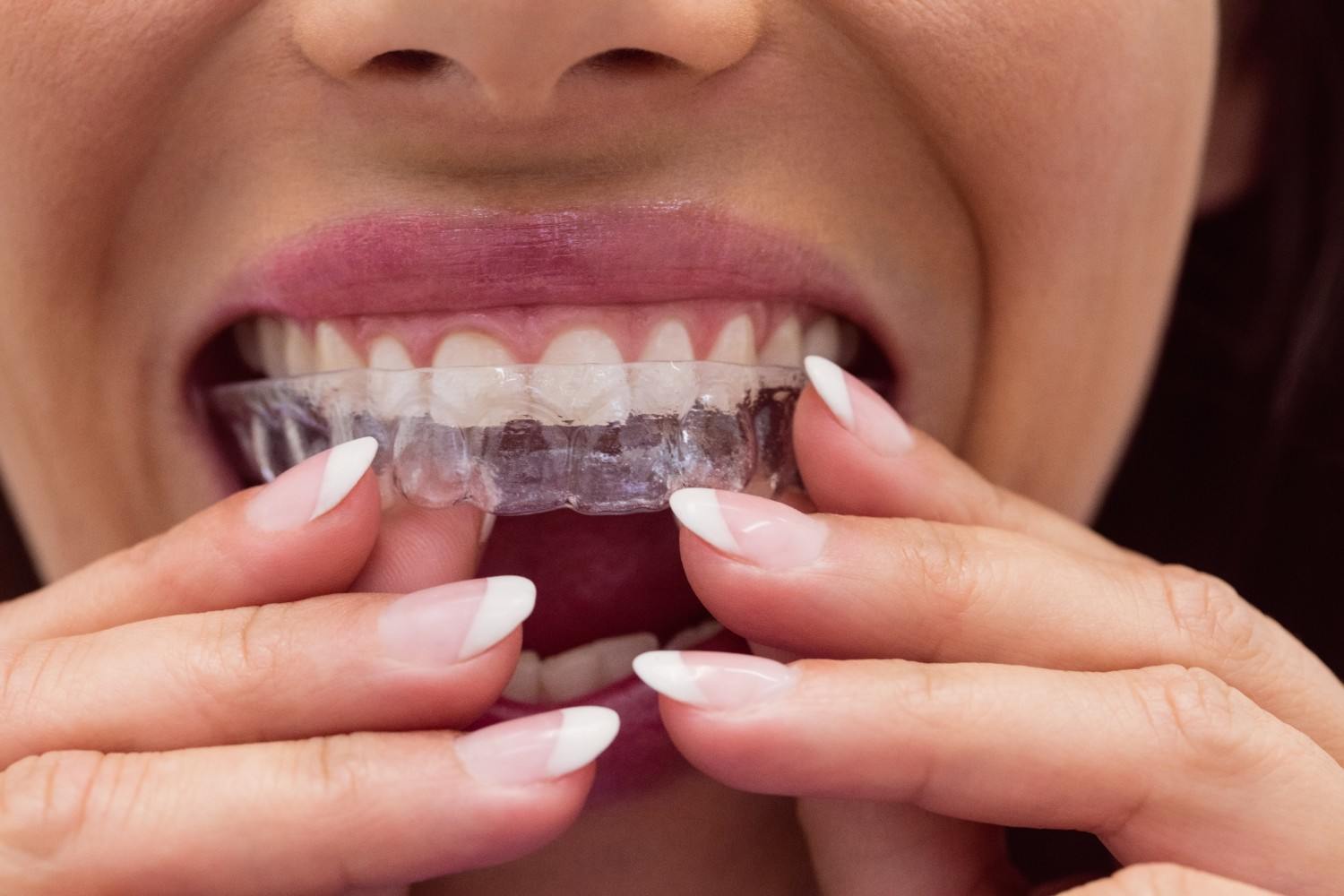
A night guard may be helpful when teeth grinding or clenching puts repeated pressure on the teeth and jaw. Teeth grinding can happen during sleep without being fully aware of it, and repeated grinding may lead to worn teeth, sensitivity, jaw soreness, or morning headaches. Night guards in Winnipeg may provide a protective barrier between the upper and lower teeth while sleeping. However, a night guard is not automatically needed for everyone who grinds their teeth. An examination can help determine whether grinding is occurring, whether the teeth show signs of wear, and whether a night guard is suitable. The right type of guard also depends on individual needs and the severity of the grinding.
What Is Teeth Grinding?
Teeth grinding, also called bruxism, happens when the teeth are repeatedly pressed, clenched, or rubbed together. It can occur while awake or during sleep.
Some people may not know they grind their teeth until signs appear. Common clues include:
- Waking with a sore or tired jaw
- Frequent morning headaches
- Tooth sensitivity
- Flattened, chipped, or worn teeth
- Tenderness around the jaw
- Damage to dental fillings or other restorations
If these signs are present, night guards near you may be worth discussing with a dental professional.
When Might a Night Guard Be Recommended?
A night guard may be considered when grinding is causing or increasing the risk of tooth damage, jaw discomfort, or wear. It can create a layer between the teeth to reduce direct contact while sleeping.
A dentist in Winnipeg can examine the teeth and look for signs such as unusual wear, cracks, or sensitivity. The jaw and bite may also be checked before deciding whether a guard is appropriate.
A night guard may be useful when:
- Teeth show noticeable wear.
- Grinding happens frequently
- Jaw soreness occurs after sleeping.
- Existing dental work is being exposed to excessive pressure.
- Clenching is causing discomfort.
What Are the Benefits of Wearing a Night Guard?
A properly fitted night guard can help reduce direct tooth-to-tooth contact during sleep. This may help protect the tooth surfaces from further wear.
Night guards near you can also be discussed when there is concern about protecting crowns, fillings, veneers, or other dental restorations from excessive grinding forces.
A night guard does not necessarily address the underlying cause of grinding. It mainly acts as a protective layer while the cause is being assessed and managed.
Are Store-Bought Night Guards a Good Option?
Store-bought guards may be available without a dental appointment, but they may not fit the teeth as precisely as a professionally made guard. A poor fit may feel uncomfortable or may not provide the intended protection.
A dentist near you can assess your bite and recommend a suitable option based on the extent of grinding and the condition of your teeth.
How Can Teeth Grinding Be Managed?
Care depends on what may be contributing to the grinding and whether it is causing damage. A dental assessment can help identify tooth wear and other concerns.
Helpful habits include:
- Wear your night guard as advised.
- Do not chew on hard objects.
- Visit your dentist regularly.
- Try to avoid clenching your jaw during the day.
- Follow your dentist’s advice for jaw pain or discomfort.
If you use a night guard, clean it regularly and store it safely.
What Happens If Teeth Grinding Is Left Unchecked?
Repeated grinding can place significant pressure on the teeth over time. Depending on its severity, it may contribute to worn enamel, chips, cracks, sensitivity, or damage to dental restorations.
A dentist in Winnipeg can check for changes before they become more extensive. Early assessment may help determine whether a night guard or another approach is appropriate.
Protect Your Teeth From Nighttime Grinding!
Teeth grinding can place repeated stress on the teeth and jaw, even when it happens without awareness during sleep. A dental examination can help identify signs of grinding and determine whether a night guard may provide useful protection.
Schedule an appointment with Grand Smiles Kenaston to discuss teeth grinding, tooth wear, and whether a night guard may be suitable.
FAQs
How do I know if I grind my teeth at night?
Morning jaw soreness, headaches, tooth sensitivity, flattened teeth, or unusual wear can be possible signs. A sleep partner may also notice grinding sounds. A dental examination can help identify signs that may not be obvious at home.
Can a night guard completely stop teeth grinding?
A night guard mainly protects the teeth from direct contact and pressure. It does not necessarily stop the grinding itself. Further assessment may be needed to understand what may be contributing to the habit.
How often should a night guard be replaced?
There is no single replacement schedule. A guard may need to be replaced when it becomes worn, damaged, loose, or no longer fits properly. Regular dental checks can help determine when replacement is needed.
Can a night guard make jaw pain worse?
A poorly fitting guard may feel uncomfortable or be unsuitable for certain bite conditions. If jaw pain increases after using a guard, stop using it as directed and ask a dental professional to check the fit.