Have you been told that you may require a root canal procedure in Winnipeg? If so, find out what happens next. Root canal treatment is a dental procedure that helps remove infection from inside the tooth, protect the tooth and ensure the tooth functions properly. Today’s dentist does everything with care. This includes evaluation and the use of techniques that are safe and effective. A dentist can evaluate your tooth, offer options, and help determine if root canal treatment is a good choice for your dental health.
Why Do Some Teeth Need Root Canal Treatment?
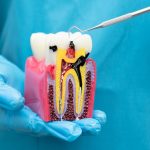
A root canal is usually recommended when the inner part of a tooth becomes affected by bacteria, injury, or deep decay. This area contains soft tissue that helps keep the tooth healthy, but damage can lead to infection and discomfort.
Common reasons a tooth may need Treatment include:
- Deep cavities that reach the inner tooth
- Cracks or damage caused by injury
- Repeated dental treatments on the same tooth
- Tooth damage that allows bacteria to enter
Treating the problem early may help protect the natural tooth and prevent the issue from becoming more complex.
What are the Signs You May Need a Root Canal?
Some dental problems develop slowly, while others cause noticeable changes. Recognizing warning signs can help you seek care sooner.
Possible signs include:
- Ongoing tooth pain
- Sensitivity to hot or cold
- Swelling around the gums
- Pain while chewing
- Darkening of a tooth
- A small bump near the gums
A dental evaluation is needed because these symptoms can also be linked to other concerns.
How Has Modern Root Canal Treatment Improved?
Many people have outdated ideas about root canal treatment. Modern dentistry has changed the experience with improved tools, better techniques, and more accurate planning.
Today’s Treatment may include.
- Digital imaging to clearly view the tooth.
- Tools for cleaning easily.
- Methods are updated to protect the surrounding areas.
- Enhanced substances to recolor the tooth.
You can have a root canal procedure near you that will help resolve your tooth issues while helping to achieve the goal of keeping your natural tooth wherever possible.
What Happens During a Modern Root Canal Procedure?
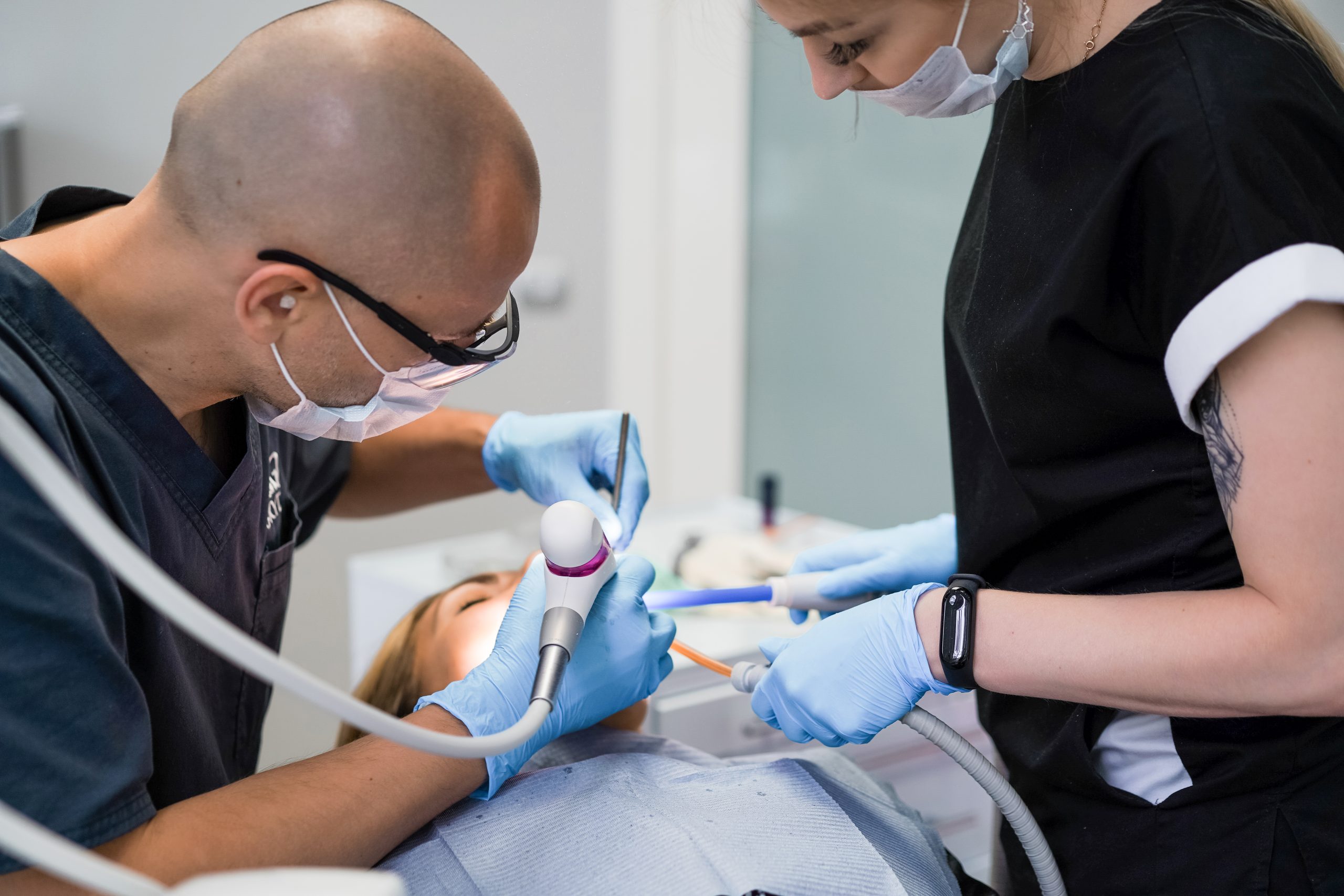
A root canal involves removing infected tissue from inside the tooth, cleaning the area, and sealing it to help prevent further infection.
The process generally includes:
- Examining the tooth and identifying the source of the problem
- Using numbing methods to help manage discomfort
- Cleaning and preparing the inside of the tooth
- Filling and sealing the treated area
- Restoring the tooth to support normal use
The exact steps depend on the condition of the tooth and the recommended treatment plan.
What Can You Expect After Root Canal Treatment?
After Treatment, it is normal to have some temporary sensitivity while the tooth heals. Following your dentist’s instructions can help support recovery.
Possible inclusion of aftercare:
- Stay away from hard foods until told otherwise.
- Brushing and flossing on a regular basis.
- Going for checkups.
- Noticing any strange alterations.
Aftercare protects the treated tooth and ensures oral health.
How Can Root Canal Problems Be Prevented?
Although it may not be possible to avoid every root canal, good dental care can lessen the chance of deep decay and damage.
Habits are helpful for prevention:
- Twice a day, toothbrush.
- Cleaning between teeth often.
- Going to the dentist in Winnipeg for checkups.
- Cavities treatment early.
- Protective gear is used to prevent tooth injury.
Going to the dentist near you regularly helps catch problems early on.
How Does a Dentist Decide If Root Canal Treatment Is Needed?
A dental professional reviews several factors before recommending Treatment. This helps ensure the care plan matches your specific needs.
The evaluation may include:
- Checking your symptoms
- Examining the tooth
- Taking dental images if needed
- Reviewing your oral health history
Is Root Canal Treatment Better Than Removing a Tooth?
In many cases, saving a natural tooth is preferred when possible. A root canal can help remove infection while preserving the tooth.
Keeping a natural tooth may help:
- Maintain normal chewing ability.
- Support surrounding teeth
- Avoid changes caused by tooth loss.
However, the right choice depends on the condition of the tooth and your overall oral health.
Take the Next Step Toward a Healthier Smile!
Modern root canal care uses advanced dental techniques to help protect your natural teeth and support long-term oral health. At Grand Smiles Kenaston, detailed evaluations help us create a treatment plan tailored to your specific dental needs and concerns. Book your appointment today to discuss your options, understand your care plan, and receive guidance to help maintain a healthy, functional smile.
FAQs
How long does a root canal procedure take?
The time required depends on the tooth’s condition and the Treatment’s complexity. Some cases may require more than one visit.
What is the purpose of endodontic Treatment?
Endodontic Treatment focuses on caring for the inside of the tooth, including removing infection and helping preserve the natural tooth.
How do I know if I need a root canal?
A dental examination is the best way to determine whether root canal treatment is needed. Symptoms alone cannot confirm the cause of a dental problem.
Can a tooth treated with a root canal last?
With proper care, a treated tooth can continue functioning for many years. Regular dental visits and good oral hygiene are important for maintaining it.